

5 products
-

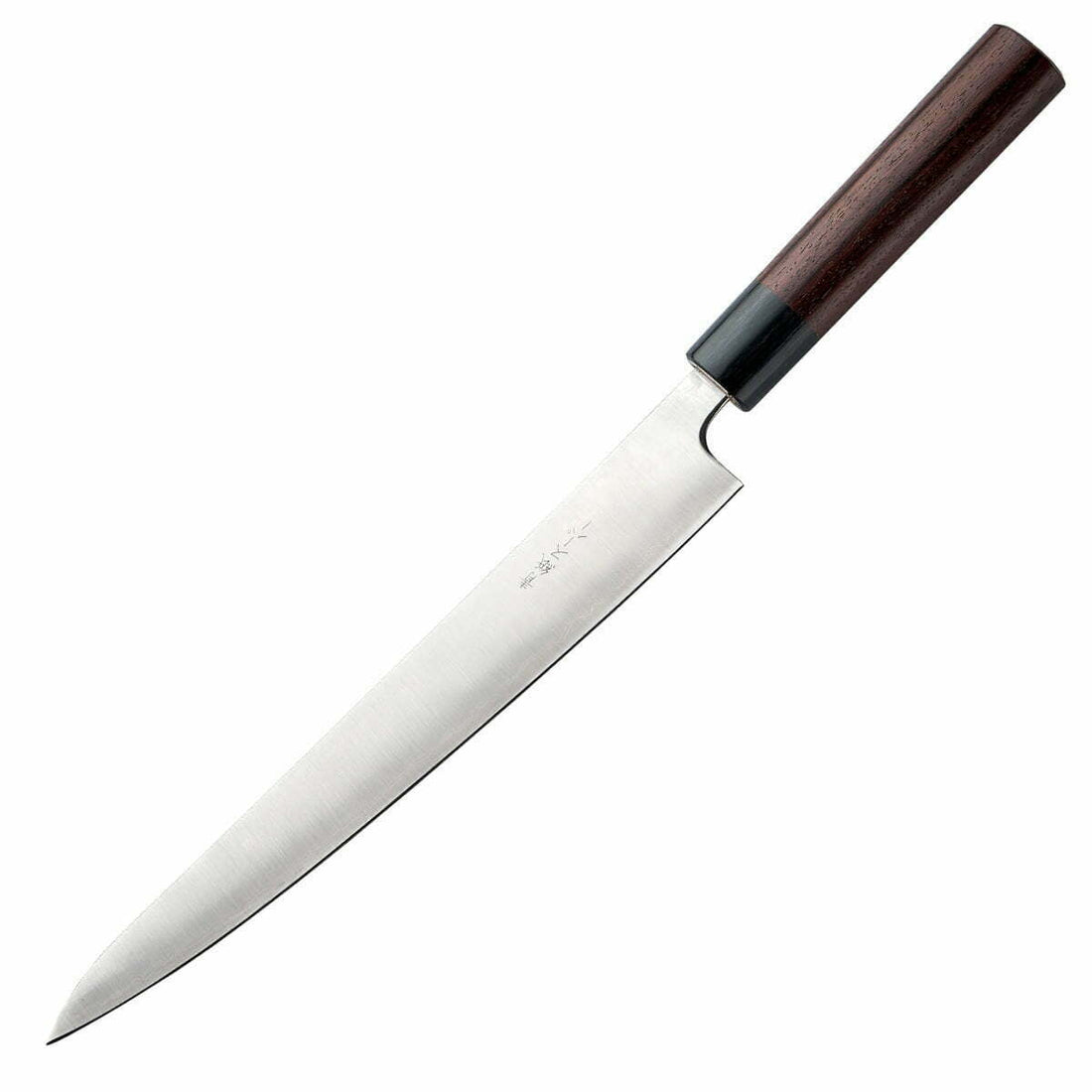 Akifusa Sujihiki 24 cm Aogami SuperVendor:Akifusa Sujihiki 24 cm Aogami SuperAkifusa
- Regular price
-
968,00 PLN - Regular price
-
865,00 PLN - Sale price
-
968,00 PLN
Quick view
-

 Akifusa Kiritsuke Knife 21 cm Aogami SuperVendor:Akifusa Kiritsuke Knife 21 cm Aogami SuperAkifusa
- Regular price
-
860,00 PLN - Regular price
-
- Sale price
-
860,00 PLN
Quick view
-

 Akifusa Gyuto 21 cm Aogami SuperVendor:Akifusa Gyuto 21 cm Aogami SuperAkifusa
- Regular price
-
842,00 PLN - Regular price
-
- Sale price
-
842,00 PLN
Quick view
-

 Akifusa Petty 13.5 cm Aogami SuperVendor:Akifusa Petty 13.5 cm Aogami SuperAkifusa
- Regular price
-
509,00 PLN - Regular price
-
- Sale price
-
509,00 PLN
Quick view
-
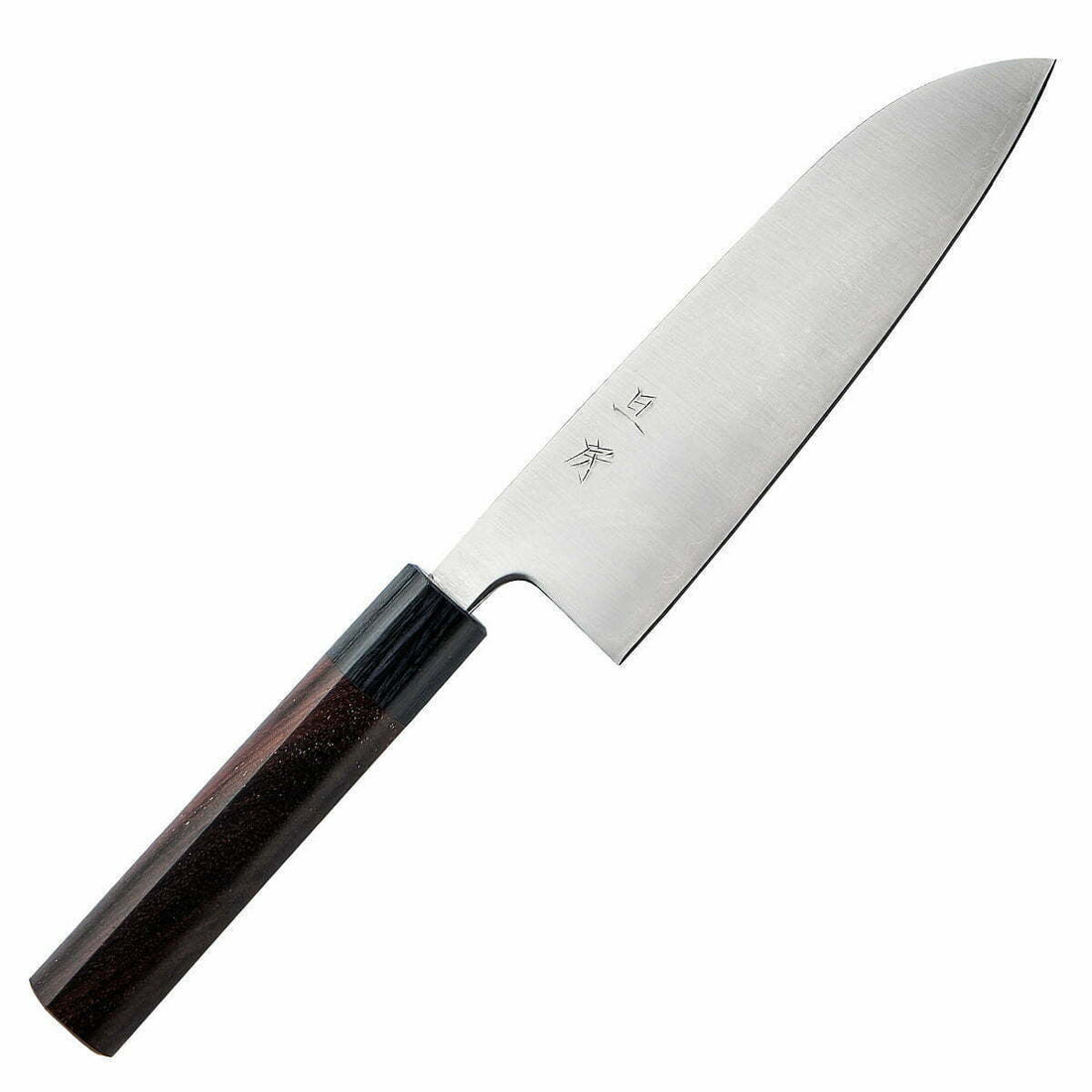
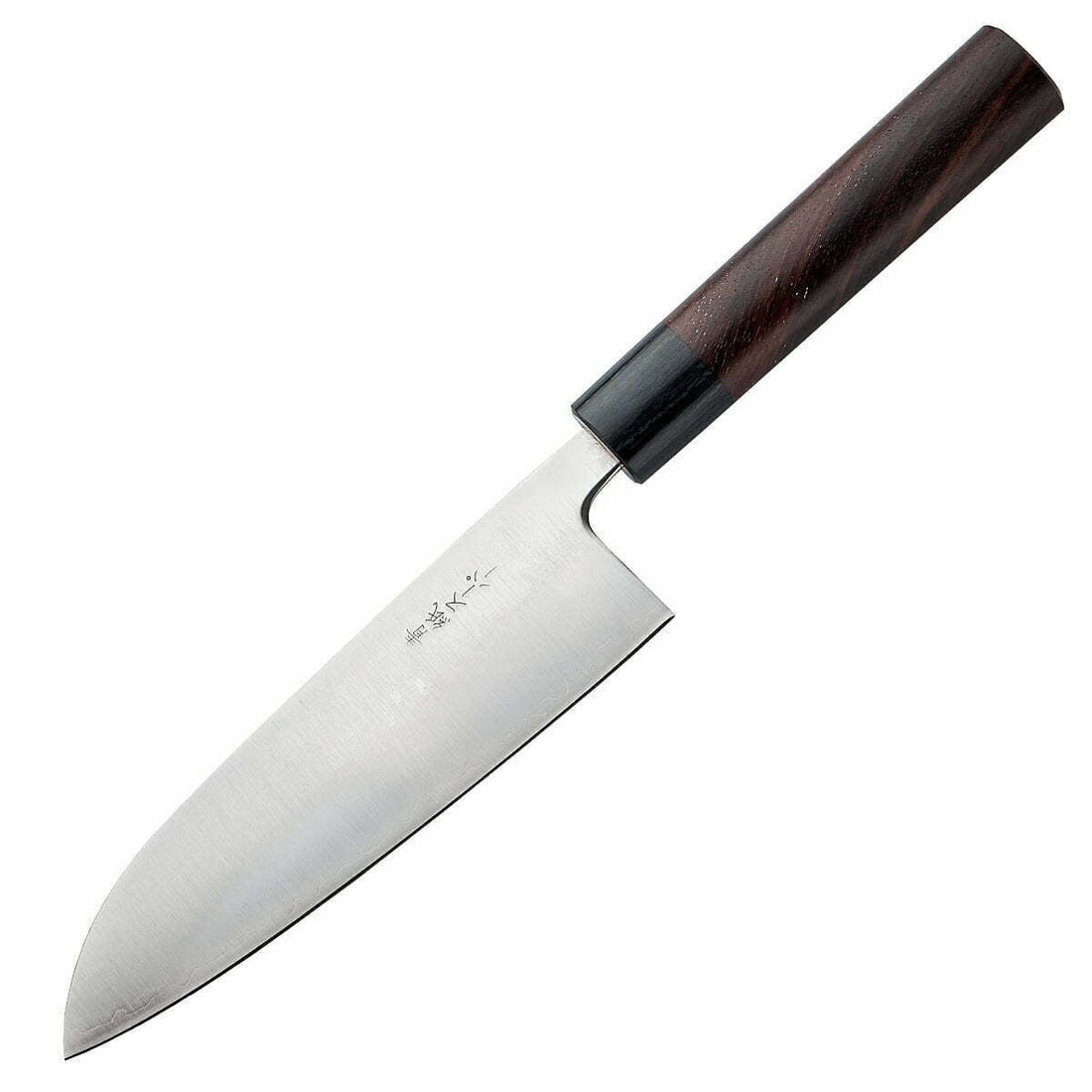 Akifusa Santoku 16.5 cm Aogami SuperVendor:Akifusa Santoku 16.5 cm Aogami SuperAkifusa
- Regular price
-
721,00 PLN - Regular price
-
- Sale price
-
721,00 PLN
Quick view


Akifusa Japanese Kitchen Knives
Quick answer: The current Akifusa collection focuses on stainless-clad Aogami Super kitchen knives with a clean Migaki finish. It includes Gyuto, Santoku, Kiritsuke, Petty and Sujihiki profiles, allowing cooks to choose an all-purpose blade, a precision knife or a dedicated slicer while keeping a consistent steel and handle style.
Akifusa knives with a high-carbon Aogami Super core
Akifusa combines a reactive Aogami Super cutting core with stainless outer cladding. The exposed steel at the edge can take a keen, long-lasting edge, while the stainless cladding reduces the amount of reactive blade surface that needs immediate attention. This construction offers some of the cutting character associated with carbon steel without making the entire blade equally vulnerable to corrosion.
The distinction is important: these are stainless-clad Japanese knives, not fully stainless blades. The Aogami Super visible along the cutting edge can still discolour, form patina or rust when left wet. Wash each knife by hand, dry it promptly and never leave it in a sink or dishwasher.
The current Migaki range uses a polished, understated finish and traditional handles. Product specifications list the blades at approximately 63 HRC, although the exact figure and dimensions should always be checked on the individual model page. At this hardness, the edge can remain sharp for a long time but should be protected from bones, frozen food, twisting and impact against hard surfaces.
Choosing an Akifusa knife by blade shape
The collection covers five profiles with clearly different roles:
- Gyuto, 21 cm: the main all-purpose option for slicing, chopping and preparing meat, fish and vegetables. Compare it with other Japanese Gyuto knives when choosing your preferred weight and geometry.
- Santoku, 16.5 cm: a compact multipurpose knife with a shorter, taller blade that suits everyday preparation in limited workspace.
- Kiritsuke, 21 cm: a long, versatile profile with an angled tip for precise cuts and detailed tip work. The wider selection of Kiritsuke knives includes different interpretations of this shape.
- Petty, 13.5 cm: designed for trimming, portioning small ingredients and controlled work where a full-size knife feels cumbersome.
- Sujihiki, 24 cm: a long, narrow slicer intended for drawing clean slices through boneless meat and fish. Browse other Sujihiki knives if you need a different length or steel.
Choose by the job the knife will perform most often. The Gyuto or Santoku makes the strongest first Akifusa knife for general preparation, the Petty complements a larger blade, and the Sujihiki is most useful when clean slicing is a regular task. The Kiritsuke rewards users who want a long, multipurpose profile and are comfortable controlling its pointed tip.
What to expect from Aogami Super and stainless cladding
Aogami Super is a Japanese carbon steel alloyed to support high hardness, edge retention and a refined cutting edge. It generally sharpens more responsively than many highly wear-resistant stainless powder steels, although hardness and a thin edge still require accurate technique. The quality of the heat treatment and blade geometry matters as much as the steel name.
Stainless cladding protects most of the blade face but does not cover the very edge. Wipe the knife during longer preparation sessions, especially after cutting acidic ingredients. A stable patina on the exposed core is normal; orange rust or rough pitting is not. If the knife will remain unused for an extended period, apply a very thin coat of suitable food-safe oil to the clean, dry carbon-steel edge.
For users who prefer a blade that is more forgiving around moisture, the wider range of stainless steel Japanese knives offers alternatives. Cooks comparing other maker styles can also browse Takamura knives or Masakage knives, while keeping blade shape, steel, grind and intended use at the centre of the decision.
Cutting technique and everyday maintenance
Use Akifusa knives on wood or a resilient synthetic surface from the cutting boards collection. Avoid glass, stone, ceramic and metal boards, which can damage a fine edge quickly. Cut with a smooth push, draw or controlled chopping motion appropriate to the blade shape. Do not twist the edge in dense ingredients or use the knife to separate joints and bones.
Wash the knife by hand with a soft sponge and mild detergent. Dry the blade, handle and ferrule immediately. Store it so that the edge cannot strike another utensil; a suitable block, rack, magnetic holder or guard from the knife storage collection can help protect the blade between uses.
Regular edge care should begin before the knife becomes completely blunt. A few controlled sharpening sessions are safer for the geometry than repeated aggressive repairs. If the knife starts to wedge, steer or feel unusually thick behind the edge despite being sharp, it may eventually require thinning by an experienced sharpener rather than a steeper secondary bevel.
Whetstones for Akifusa Aogami Super knives
For normal dullness, start with a medium whetstone around #800–#1000. Aogami Super responds well to quality water stones, but the hard edge still benefits from consistent angle control and moderate pressure. Raise a small burr along the full edge, repeat on the opposite side and reduce it progressively rather than removing more steel than necessary.
A fine whetstone around #3000–#6000 is a practical finishing range. It can refine the bevel while preserving enough bite for tomatoes, peppers and other smooth-skinned ingredients. Higher grits are optional and should be chosen for a specific cutting preference rather than treated as automatically better.
Use a coarse stone only for chips, heavy dullness or geometry correction. Keep every stone flat, clean the blade after sharpening and dry the exposed carbon-steel edge immediately. The stainless cladding simplifies care but does not change which steel actually meets the stone at the cutting edge.
Choosing and caring for Akifusa Japanese knives (FAQ)
Are Akifusa Aogami Super knives stainless?
Not completely. The outer cladding is stainless, but the Aogami Super cutting core exposed at the edge is reactive carbon steel. The edge should be kept clean and dry to prevent corrosion.
Which Akifusa knife is best for general use?
The 21 cm Gyuto is the most versatile choice for a broad range of meat, fish and vegetable preparation. The 16.5 cm Santoku is a compact alternative for cooks who prefer a shorter blade.
What whetstone should I use for an Akifusa knife?
Use a medium stone around #800–#1000 for routine sharpening, followed by an optional fine stone around #3000–#6000. Coarse stones are intended for damage repair or significant geometry work.
How should I protect an Akifusa knife from chipping and rust?
Use a knife-friendly board, avoid bones and frozen food, never twist the edge and wash the knife by hand. Dry it immediately, paying particular attention to the exposed Aogami Super core along the cutting edge.